 Matsushima Bay Tours
Home › Guides › What to See at Zuiganji Temple on Matsushima Bay
What to See at Zuiganji Temple on Matsushima Bay
Zuiganji Temple Matsushima Bay is the top sight on the shore: a 1609 Zen temple with two national treasures, a cedar-lined approach and a museum of about 3,000 treasures, all for $6.36 (¥1,000) admission. It stands a few steps from the bay cruise pier, so you can pair it with a 50-minute island boat trip in one afternoon.
Quick answer Zuiganji in brief
Zuiganji is Date Masamune's family temple, rebuilt in 1609, with a National Treasure main hall of 10 rooms and a treasure museum included in the $6.36 (¥1,000) ticket. Allow about 60 to 90 minutes. It is a 10-minute walk from JR Matsushima-Kaigan Station and steps from the cruise pier.
Key takeaways
- Compare every matsushima bay tour before you pick a boat or a guided day
- The full-day bay cruise tour from Sendai covers the temple and the water in 8 hours
- The bay walk and temple tour fits Zuiganji into a short 2 to 3 hour visit
- Plan the rest of the bay with cruise times, pier locations and nearby sights
What is Matsushima famous for?
Matsushima is famous as one of the Three Views of Japan, a bay scattered with about 260 small pine-covered islands, and Zuiganji is its most important building on shore.
The tourist association counts roughly 260 pine-covered islands in the bay. Poets wrote about them for centuries. Matsuo Basho made Matsushima a goal of his famous walk north in 1689, and the temple still holds a Basho Festival each year. For a day visitor the combination is simple: the islands from the water, the temple from the land, both within a few minutes' walk of each other.
Why the temple belongs in your bay day
Zuiganji stands a few steps from the Matsushima cruise pier, so the walking time between boat and temple gate is close to zero. The temple's own guide page lists adult admission at $6.36 (¥1,000), children at $3.18 (¥500), and that ticket includes the treasure museum. You can ride the 50-minute island loop boat, step off at the pier, and walk straight into the temple grounds.
Matsushima itself was helped by its islands and escaped the worst of the 2011 tsunami, though boats and shops were damaged. The cedar trees on the temple approach, many felled after salt water damage from that tsunami, are the visible reminder.
| Stop | Time needed | Cost | Distance from the pier |
|---|---|---|---|
| Zuiganji Temple and museum | 60 to 90 minutes | $6.36 (¥1,000) adults, $3.18 (¥500) children | A few steps |
| Bay loop cruise | 50 minutes | $9.54 (¥1,500) adults, $4.77 (¥750) elementary | At the pier |
| Entsuin Temple | 30 to 45 minutes | $3.18 (¥500) adults, $1.91 (¥300) students | About 7 minutes on foot |
| Godaido | 15 minutes | Free | Next to the Central Pier |
Sources: Matsushima Tourism Association, Zuiganji Temple.
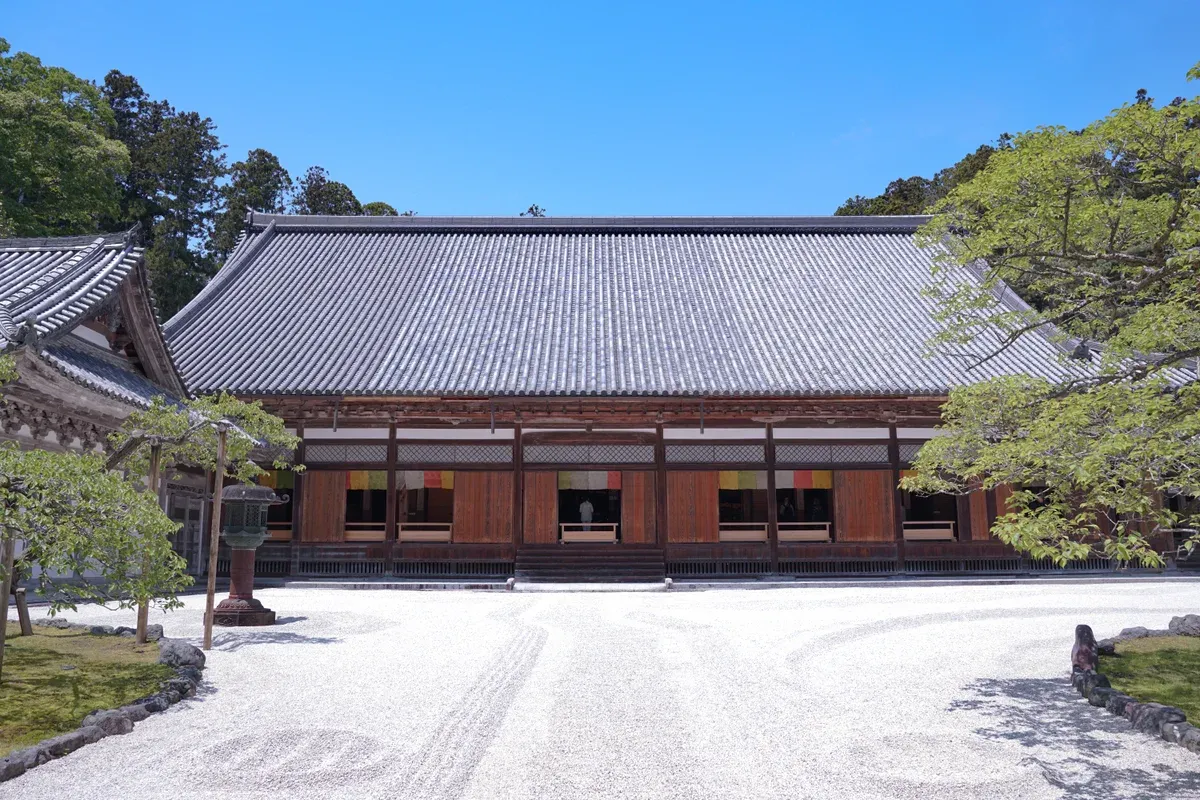
The Hondo, the main hall of Zuiganji. Photo: 掬茶, CC BY-SA 4.0, via Wikimedia Commons
Why was Zuiganji Temple built, and who built it?
A temple stood on this ground from 828, and Date Masamune rebuilt it as his family temple in 1609, bringing wood and master craftsmen from the Kyoto area.
The temple's story runs from legend to national treasure status, and it explains why the buildings look the way they do today.
From 828 to Masamune's rebuild
The temple was originally founded in 828 as a Tendai sect temple and converted to Zen during the Kamakura Period. Wikipedia reports archaeological evidence that the site was a salt furnace in the Heian period, which casts doubt on the 828 founding legend at this exact location. The official name today is Shoto Seiryuzan Zuiganempukuzenji, a Zen temple of the Myoshinji school of the Rinzai sect.
Date Masamune began the rebuild in 1604 using wood from Kumano in Kishu and 130 master craftsmen from the Kinai region near Kyoto. Construction finished in 1609, and the wall paintings were created between 1620 and 1622. One theory holds the temple doubled as his hidden fortress, with a room prepared for an emperor's throne.
The temple served its community in the 2011 tsunami, sheltering visitors and locals and providing food and water.
| Date | Event |
|---|---|
| 828 | Traditional founding as a Tendai temple |
| 1604 to 1609 | Date Masamune rebuilds the temple |
| 1620 to 1622 | Sliding door paintings created |
| 1953 and 1959 | Main Hall and Kuri named national treasures |
| 2008 to 2018 | Major repairs to the Main Hall |
What should I see inside Zuiganji Temple?
Walk the cedar approach past the meditation caves, follow the circular course through the National Treasure Main Hall with its sliding door paintings, see the Kuri, then finish at the Seiryuden museum.
The visit follows a set route. Allow 60 to 90 minutes for the whole thing, longer if you stop at every cave in the cliff.
The cedar approach path
You enter through a path flanked by tall cedar trees. Many were felled after salt water damage from the 2011 tsunami, so the rows are thinner than they once were. Outside the entrance stands Enmei Jizo, a guardian deity of longevity.
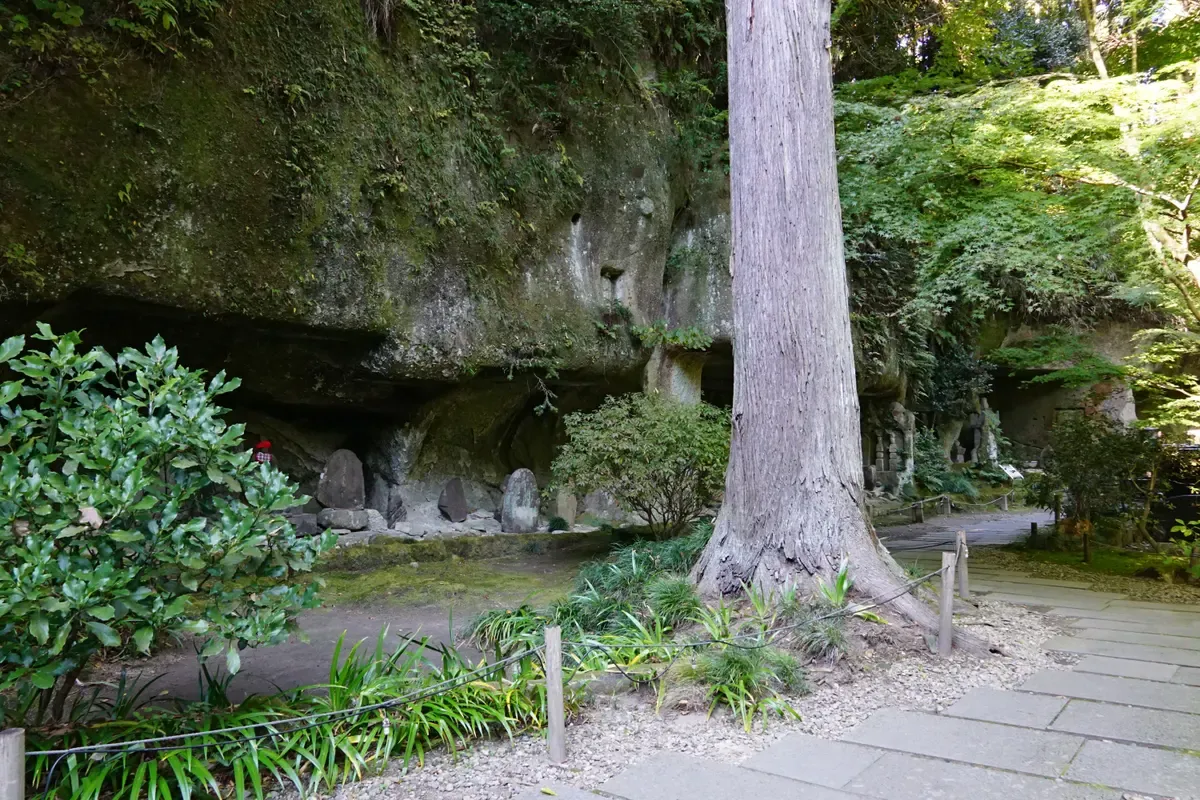
The meditation caves
Carved into the cliff beside the path, the caves were used by monks for meditation and now hold statues. They take only a few extra minutes and sit on the route between the gate and the main buildings. The caves on nearby Oshima island are a related sight, said to have numbered 108.
The Main Hall (Hondo)
The hondo is 38 metres wide and 24 metres deep, with 10 rooms and a different ceiling design in each. It was designated a National Treasure in 1953. You follow a one-way circular course to see the paintings on the sliding doors, made between 1620 and 1622.
One room, the Kamijodan no Ma, was reserved for an emperor.
The Kuri
The Kuri, the temple's living quarters and kitchen building, was designated a National Treasure in 1959. You see it as part of the same circular course, and it is one of only two National Treasure buildings of its type in Japan.
The Seiryuden museum
The Seiryuden, also called the Zuiganji Art Museum, exhibits golden sliding doors and a life-sized wooden statue of Date Masamune in armour. The current Treasure Museum building dates from 1995 and holds about 3,000 items. Your temple ticket already covers it, so there is no second fee.
How much does Zuiganji Temple cost and when is it open?
The temple's own guide page lists admission at $6.36 (¥1,000) for adults and $3.18 (¥500) for children, with the gate open from 8:30 am all year and closing between 3:30 pm and 5:00 pm depending on the month.
Hours shift with the seasons, so check your month before you fix your day plan. Last entry is 30 minutes before closing.
Opening hours by month
The gate opens at 8:30 am every day of the year. The temple posts a fee revision notice, so a small price change is possible at the ticket window.
| Months | Closing time | Adult ticket | Child ticket |
|---|---|---|---|
| April to September | 5:00 pm | $6.36 (¥1,000) | $3.18 (¥500) |
| March and October | 4:30 pm | $6.36 (¥1,000) | $3.18 (¥500) |
| February and November | 4:00 pm | $6.36 (¥1,000) | $3.18 (¥500) |
| January and December | 3:30 pm | $6.36 (¥1,000) | $3.18 (¥500) |
What the ticket includes and how to pay
Admission to the temple includes the Seiryuden museum, so the $6.36 (¥1,000) covers both. Groups of 30 or more pay $5.72 (¥900) for adults and $2.54 (¥400) for children. Bring cash, because credit cards are not accepted.
Brochures are available in English, Simplified and Traditional Chinese, Korean and Thai. Only the museum building is wheelchair accessible, so the Main Hall course involves steps or uneven ground.
How long does a visit to Zuiganji take?
Plan 60 to 90 minutes for the full course through the Main Hall, Kuri and museum. Add 15 minutes if you want time in the meditation caves. That fits neatly between two hourly cruise departures.
Source: Zuiganji Temple.
Tours That Fit
These guided options cover the temple and the bay without you managing tickets and timetables.
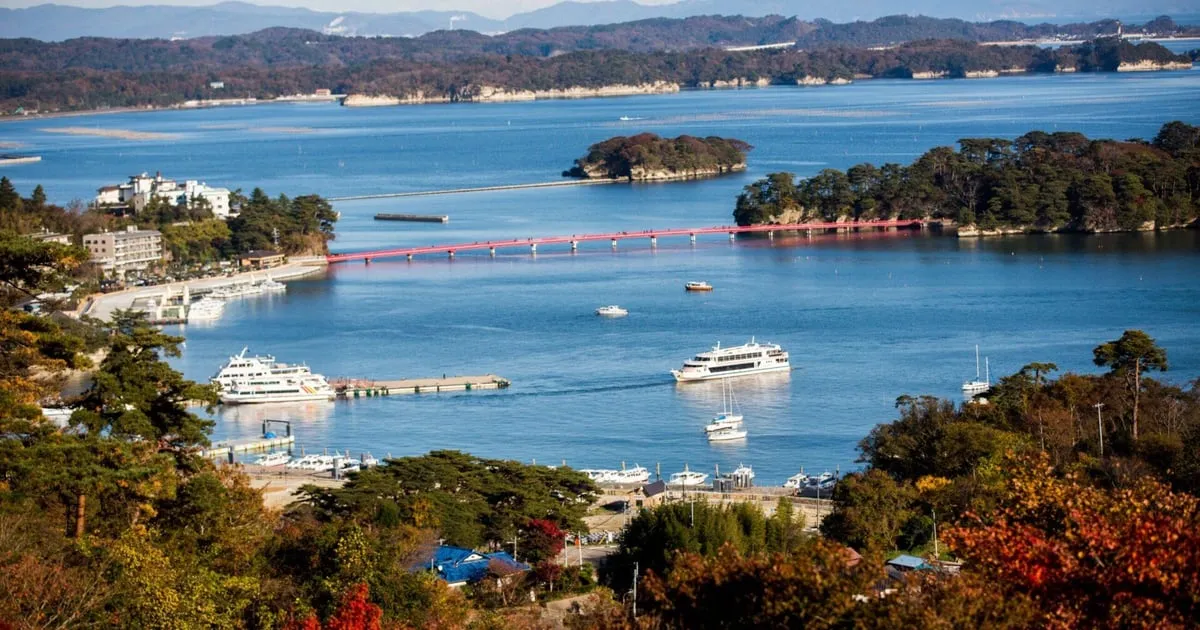
1-Day Tour from Sendai: Matsushima Bay & Scenic Boat Cruise
Small group of 5 max by train, covering Entsuin, Zuiganji, a retro museum, tea at Kanrantei and a 50 minute bay cruise, all fees included.
- Cancellation
- Free cancellation 24h
- Operator
- Machinovate Japan Ltd.
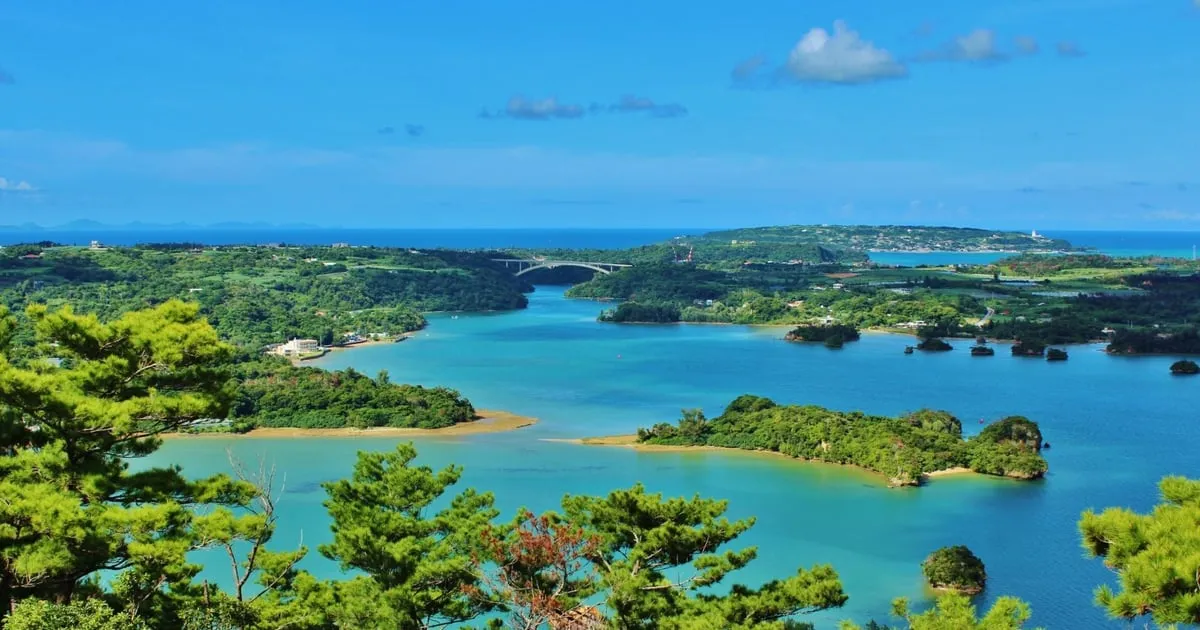
Matsushima: Scenic Bay Walk & Historic Temple Discovery
A private 2-3 hour walking tour of Zuiganji, Godaido and Fukuurajima with an optional Sendai Station departure, capped at 6 people.
- Cancellation
- Free cancellation 24h
- Operator
- DeepExperience, Inc.
 from $1,301
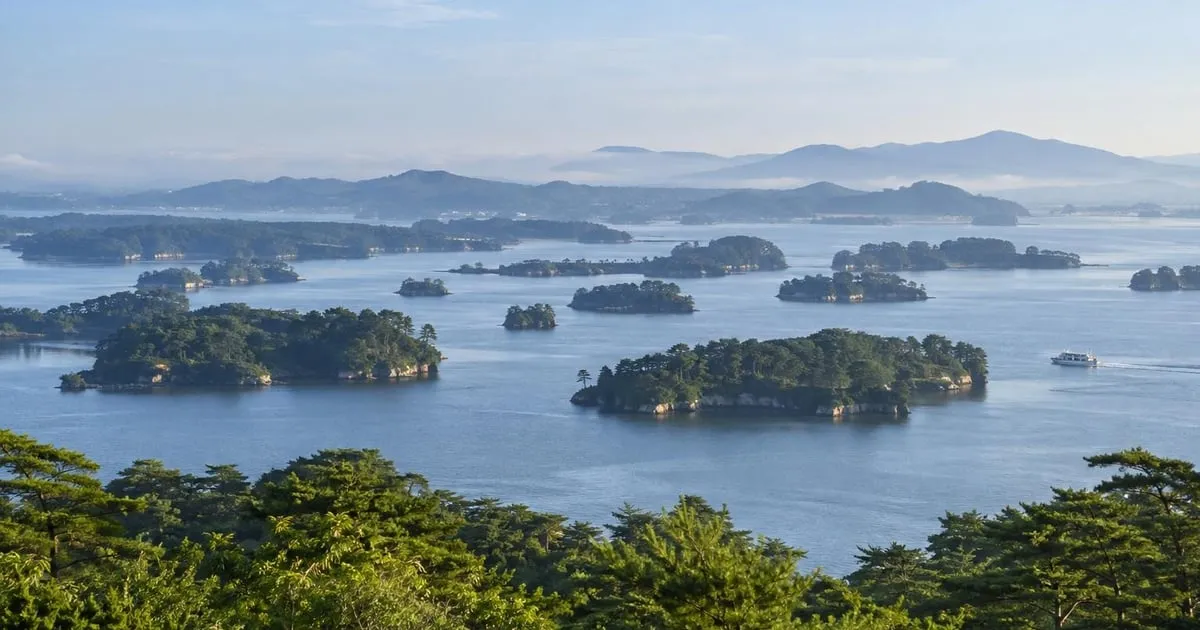
Matsushima Bay & Zuiganji Customizable Tour
A fully private van day for up to 6 with hotel pickup, Zuiganji entry included, and a plan you can reshape around cruises or temples.
Check AvailabilityHow do I get to Zuiganji Temple?
Walk 10 minutes from JR Matsushima-Kaigan Station on the Senseki Line, or go on foot from the cruise pier in under two minutes.
The temple sits between the station and the water, which is what makes it easy to slot into a bay day.
From the station and the pier
JR Matsushima-Kaigan Station on the Senseki Line is the usual arrival point, and the temple is a 10-minute walk from it. If you come off a bay cruise, the large boats leave from the Central Sightseeing Pier, itself 7 minutes on foot from the station, and Zuiganji stands a few steps from that pier. Matsushima Station on the JR Tohoku Line is a 20-minute walk from the pier area, so aim for Matsushima-Kaigan.
| Starting point | Walking time |
|---|---|
| JR Matsushima-Kaigan Station | 10 minutes |
| Central Sightseeing Pier | A few steps to 2 minutes |
| Godaido | About 7 minutes |
| Entsuin | About 1 minute, it is next to Zuiganji |
Source: Matsushima Tourism Association.
Entsuin, a short walk from Zuiganji. Photo: 663highland, CC BY-SA 4.0, via Wikimedia Commons
What should I do on a day trip to Matsushima?
Do the bay loop cruise first, then walk straight to Zuiganji, add Entsuin and Godaido, and finish with a viewpoint if you have time left.
Here is a working order for one day that keeps you ahead of the last boat and the temple's seasonal closing time.
A timed day plan
Take a morning loop cruise, about 50 minutes, then step off at the Central Pier and walk the few steps to Zuiganji for your 60 to 90 minute visit. After the temple, Entsuin is next door with its $3.18 (¥500) adult ticket, open 9:00 to 16:00. Walk 7 minutes back toward the water for Godaido, which is free and closes at dusk. Its current building, rebuilt in 1604 by Masamune, is the oldest surviving Momoyama architecture in Tohoku, reached over an open-slat bridge that wheelchairs cannot cross.
The Nioumaru loop boats depart hourly from 9:00 to 16:00 all year, with the 16:00 sailing cancelled in winter when the sun sets early, so the last boat is 15:00 then. Booking ahead gives 10 percent off. If you want a viewpoint at the end, Saigyo Modoshi no Matsu Park is 5 minutes by car and frames the cherry blossoms and bay islands together, though the Panorama Line road is closed in winter.
If you prefer someone else to hold the timetable, matsushima bay tours lists guided days that join the cruise and the temple, including a full-day trip from Sendai and a private option with a national licensed guide.
| Time | Activity |
|---|---|
| Morning | Bay loop cruise, about 50 minutes |
| Late morning | Zuiganji Temple and museum, 60 to 90 minutes |
| Lunch | Shops and restaurants around the pier |
| Early afternoon | Entsuin, then Godaido |
| Late afternoon | Saigyo Modoshi no Matsu Park or Kanrantei |
Sources: Matsushima Tourism Association, Matsushima Sightseeing Boats, Zuiganji Temple.
When is the best time to visit Zuiganji Temple?
Any season works because the gate opens at 8:30 am all year, but the torchlit Obon procession on August 16 and the Basho Festival on the second Sunday of November are the two dates worth planning around.
Autumn adds light-up events along the approach, and the seasonal closing times mean winter visits end earliest.
Festivals at the temple
A 700-year-old torchlit procession is held on August 16 during Obon, one of the region's oldest rituals. The Basho Festival is held annually on the second Sunday of November, commemorating Matsuo Basho's 1689 pilgrimage.
In late October and November the Matsushima Light-Up runs along the Zuiganji approach and at Kanrantei from 17:00 to 21:00, and the temple itself stages the NAKED Matsushima night visit during the same window. Night events are cancelled in bad weather, on a strong quake or under a tsunami advisory, so have a daytime backup.
| Season | What is on |
|---|---|
| August | Obon torchlit procession on August 16 |
| Second Sunday of November | Basho Festival |
| Late October to late November | Approach light-up and NAKED Matsushima night visit |
| Winter | Earliest closing time, 3:30 pm in January and December |
Source: Matsushima Tourism Association.
What else is near Zuiganji Temple?
Entsuin Temple sits next door, Godaido stands by the Central Pier, and Kanrantei, Oshima and Fukuurajima are all within a 15-minute walk.
You can fill the rest of your bay day without a car.
Four easy add-ons
Entsuin is next to Zuiganji, open 9:00 to 16:00, with admission of $3.18 (¥500) for adults and $1.91 (¥300) for elementary and junior high students. Kanrantei, a tea house pavilion facing the bay, costs $1.91 (¥300) for adults plus $3.82 (¥600) upward for a matcha set, and opens 8:30 to 17:00 from April to October and 8:30 to 16:30 the rest of the year. Oshima, crossed by the vermilion Togetsu Bridge with no admission fee listed, is said to have held 108 rock caves. Fukuurajima, a walking island with about 250 kinds of plants, costs $1.91 (¥300) to cross its 252-metre bridge and is 15 minutes on foot from the station.
Guided days cover several of these in one go. The Matsushima Bay Cruise Day Tour from Sendai runs 8 hours with the boat included. The Scenic Bay Walk and Historic Temple Discovery is a 2 to 3 hour option centred on the shore sights.
| Sight | Cost | Hours |
|---|---|---|
| Entsuin | $3.18 (¥500) adults, $1.91 (¥300) students | 9:00 to 16:00 |
| Godaido | Free | Closes at dusk |
| Kanrantei | $1.91 (¥300) adults, $0.64 (¥100) students | 8:30 to 17:00, 16:30 in winter |
| Fukuurajima | $1.91 (¥300) adults, $0.64 (¥100) students | 8:30 to 17:00, 16:30 in winter |
Sources: Matsushima Tourism Association, Matsushima Town.
Questions Visitors Ask
What is the most famous temple in Japan?
That title usually goes to temples in Kyoto and Nara such as Kinkakuji or Todaiji, but on Matsushima Bay the answer is Zuiganji, whose Main Hall and Kuri are both designated National Treasures. See the full day options on matsushima bay tours.
What is the most spiritual place in Japan?
There is no single answer, but on Matsushima Bay the meditation caves beside the Zuiganji approach, carved for monks in training, are the most atmospheric spot you can reach in a few minutes from the pier.
Where is Zuiganji Temple in AC Shadows?
not stated. The game's portrayal is outside this guide, which covers the real temple on Matsushima Bay, a 10-minute walk from JR Matsushima-Kaigan Station.
What are the Zuiganji cave ruins?
They are the carved caves beside the temple approach, once used for meditation and now holding statues. The rock-cut caves on nearby Oshima island, said to have numbered 108, are a related sight.
What is the Godaido of Zuiganji Temple?
It is Masamune's 1604 hall on stilts at the water's edge next to the Central Pier, free to enter and reached over an open-slat bridge, and the oldest surviving Momoyama architecture in Tohoku.
Is Zuiganji Temple wheelchair accessible?
Only the Seiryuden museum is wheelchair accessible, and credit cards are not accepted at the ticket window, so bring cash.
More Guides
- How to Get to Matsushima Bay from Sendai and Tokyo
How to get to Matsushima Bay in 2027: 40 minutes by train from Sendai, the Shinkansen from Tokyo, the stations and the boats. Plan your trip.
- Is Matsushima Bay Worth Visiting?
Is Matsushima Bay worth visiting in 2027? 260 pine islands, a 50-minute bay cruise, 40 minutes from Sendai. See if it fits your trip.
- What Are the Matsushima Bay Islands?
About 260 pine islets, four classic viewpoints and a 50-minute loop cruise. See the Matsushima Bay islands in 2027: plan your boat day.